
Every year, thousands of foreign visitors come to African countries hoping to find something they believe is missing at home-authentic connection, exotic allure, or a sexual experience framed as culturally unique. Some of them turn to escort services, often unaware of the legal, ethical, and personal risks involved. What’s sold as a romantic or adventurous encounter can quickly become a dangerous transaction, especially when language barriers, cultural misunderstandings, and power imbalances are in play. While the idea of an ‘authentic African experience’ sounds appealing in marketing brochures, the reality is often far more complicated-and far more troubling.
Some search for these services online, using terms like girls escort in london, unaware that the same platforms they use in Europe or North America also list services in African cities. These listings blur the lines between tourism, exploitation, and human trafficking. The same websites that advertise ‘sexy london girls escort’ or ‘euro escort london’ often feature profiles from African countries with photos that look staged, descriptions that sound scripted, and prices that suggest more than just companionship is being offered.
How the Business Operates
The escort industry targeting foreigners in Africa isn’t a single organization-it’s a network of small operators, local fixers, and online brokers. Many operate under the guise of ‘tourism agencies’ or ‘personal concierge services.’ They don’t always require formal registration. In some places, they rent apartments in tourist zones and use social media to connect with clients. Payments are often made in cash or via mobile money apps to avoid banking trails. Some even use dating apps disguised as friendship platforms to lure in visitors.
What makes this business profitable isn’t just demand-it’s perception. Foreigners are told they’re getting something rare: a local woman who’s ‘genuine,’ ‘unaffected by Western culture,’ or ‘more passionate’ than what they’ve experienced before. These are myths built on colonial stereotypes. The women involved are rarely given real choice. Many come from poverty, lack education, or are under pressure from family or partners. Some are minors. Others are trapped by debt or threats.
The Legal Reality
In most African countries, prostitution is illegal-even if it’s widely practiced. Escort services operate in a legal gray zone. Authorities may turn a blind eye if no public disturbance occurs, but they can also raid apartments, arrest women, and deport foreigners without warning. There’s no protection for either side. If a client is robbed, assaulted, or accused of a crime, police won’t help. If a woman is abused, she can’t report it without risking arrest or deportation herself.
Some governments have cracked down in recent years. Kenya, for example, increased penalties for human trafficking in 2023. Nigeria shut down over 120 escort operations in Lagos and Abuja between 2022 and 2024. But enforcement is uneven. In cities like Johannesburg, Accra, or Kampala, the trade continues quietly, often protected by bribes or political connections.
Why It’s Not What It Seems
The fantasy of an ‘authentic African sexual experience’ is built on false assumptions. African women aren’t a monolith. They come from diverse ethnic groups, religions, education levels, and life experiences. Many are students, nurses, teachers, or entrepreneurs who never wanted to be part of this industry. The idea that they’re ‘more natural’ or ‘more sexual’ than women elsewhere is a racist stereotype that reduces real people to exotic props.
And the emotional toll is real. Foreigners who enter these arrangements often leave feeling used, guilty, or confused. The women leave with trauma, stigma, and sometimes HIV or other infections. There’s no aftercare. No counseling. No legal recourse. This isn’t romance. It’s commerce with a side of exploitation.
What Tourists Should Do Instead
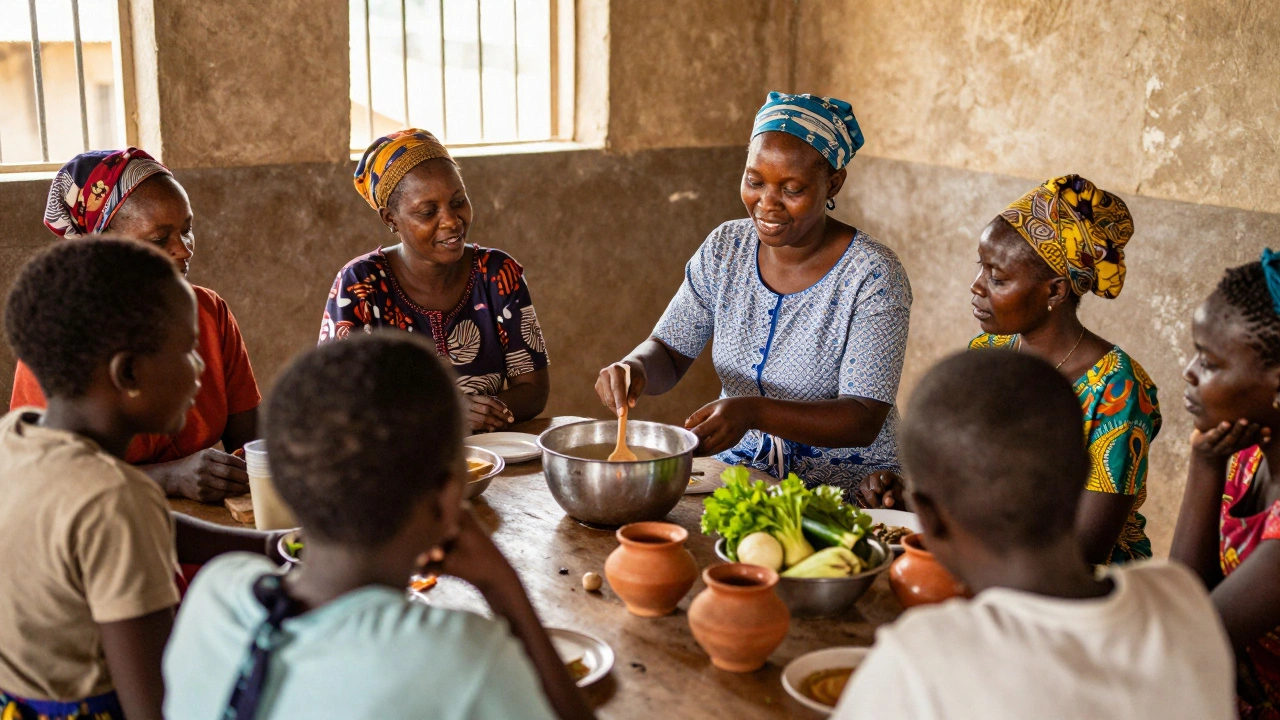
If you’re visiting Africa and looking for meaningful connection, there are better ways. Volunteer with local NGOs. Take a cooking class with a community group. Join a walking tour led by a former street vendor. Talk to people. Listen. Learn. African hospitality is real-but it’s not for sale.
Respect the culture. Respect the people. And respect the law. The risk of being caught in a sting, facing deportation, or being accused of trafficking far outweighs any fleeting thrill. Many countries now require tourists to sign ethical conduct agreements before entry. Ignorance won’t protect you.

The Bigger Picture
This isn’t just about one industry. It’s about how global inequality fuels exploitation. When wealthier visitors treat poorer countries as playgrounds, they reinforce systems of power that hurt real people. The same dynamics that drive sex tourism in Africa also show up in Southeast Asia, Latin America, and the Caribbean. The pattern is the same: outsiders come looking for ‘authenticity,’ and locals pay the price.
There’s a growing movement among African activists, journalists, and former sex workers to expose these practices and support alternatives. Organizations like the African Women’s Network for Sex Worker Rights and the Pan-African Coalition Against Trafficking are pushing for policy changes, economic support for vulnerable women, and public education campaigns. Their work deserves attention-not the kind that comes from clicking on a website listing ‘sexy london girls escort’ while planning a trip to Nairobi.
Final Thoughts
There’s nothing authentic about paying for someone’s body. There’s nothing romantic about power imbalance. And there’s nothing safe about an industry that thrives in silence. If you’re traveling to Africa, seek real connection-not a transaction. The landscapes are breathtaking. The music is alive. The food is unforgettable. The people are warm, intelligent, and complex. You don’t need to pay to meet them. You just need to show up with humility, curiosity, and respect.